


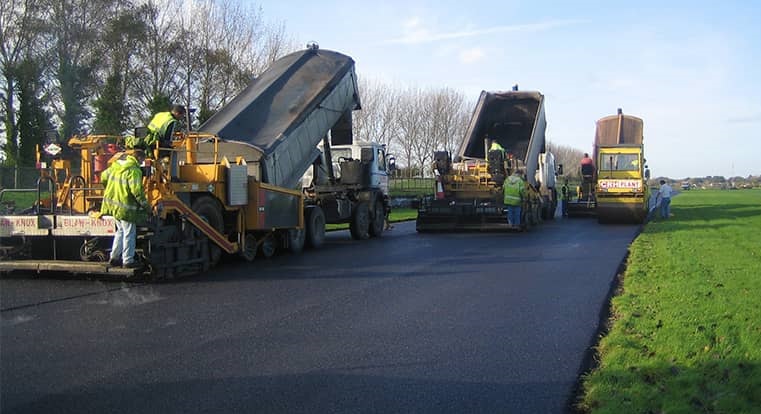
Professional Method Statement for Road Construction Works, Testing & Civil QA/QC Documentation
Looking for a complete and consultant-approved Road Construction Method Statement package?
This professionally prepared documentation package is specially designed for civil contractors, infrastructure companies, QA/QC engineers, highway engineers and project teams involved in road construction works for highways, urban roads, industrial developments and infrastructure projects.
The package includes detailed construction procedures, inspection forms, testing requirements, safety documents and QA/QC records necessary for consultant approvals and successful project execution.
Road construction works shall be executed by qualified personnel using approved materials, calibrated testing equipment, and suitable construction plant in accordance with approved drawings, project specifications, AASHTO/ASTM requirements, and local authority standards.
Particular attention shall be given to survey control, subgrade preparation, layer-by-layer compaction, quality testing, asphalt temperature control, and final surface tolerances to ensure a safe, durable, and high-performance pavement structure capable of meeting the intended design life and operational requirements.
What Is Included in This Method Statement Package?
📄 Detailed Road Construction Method Statement
Comprehensive construction procedures covering:
- Site Preparation and Mobilization
- Surveying and Setting Out Works
- Clearing and Grubbing
- Excavation and Earthworks
- Subgrade Preparation
- Embankment Construction
- Granular Sub-Base (GSB) Installation
- Aggregate Base Course Construction
- Prime Coat Application
- Tack Coat Application
- Asphalt Binder Course Placement
- Asphalt Wearing Course Construction
- Road Shoulders Construction
- Kerbstone Installation
- Compaction and Density Control
- Traffic Management During Construction
- Final Inspection and Handover
The procedures generally include all stages of road construction from initial site preparation through to final asphalt surfacing and project completion.
Project Information
Applicable To:
- Highways
- Internal Roads
- Access Roads
- Urban Streets
- Industrial Roads
- Residential Developments
- Commercial Infrastructure Projects
- Airport Service Roads
- Utility Access Roads
- Parking Areas
Purpose
The purpose of this method statement is to define the procedures, responsibilities, quality requirements and safety controls necessary for carrying out road construction works in accordance with approved drawings, project specifications and applicable standards.
Road Works Method Statement & Supporting Documents Package – Download Editable Files
Scope of Work
This method statement covers the complete construction process for flexible pavement road works, including:
- Earthworks and formation preparation.
- Construction of embankments.
- Subgrade preparation and approval.
- Installation of sub-base and road base materials.
- Application of prime and tack coats.
- Placement of asphalt layers.
- Compaction and testing.
- Quality inspections.
- Final acceptance procedures.
Applicable Standards and References
📚 Standards
The works shall comply with the latest editions of:
- AASHTO Standards
- ASTM Standards
- BS Standards
- Local Highway Authority Specifications
- Project Technical Specifications
- Approved Shop Drawings
- Material Approval Submittals
- Manufacturer Recommendations
Responsibilities
👷 Project Manager
Responsible for:
- Overall project execution.
- Resource allocation.
- Coordination with consultant and client.
- Monitoring project schedule.
📋 Site Engineer
Responsible for:
- Supervising construction activities.
- Implementing approved drawings.
- Managing site manpower.
- Ensuring work quality.
🛡️ QA/QC Engineer
Responsible for:
- Inspection of works.
- Material approvals verification.
- Testing coordination.
- Reviewing test reports.
- Raising inspection requests.
- Maintaining quality records.
⚠️ Safety Officer
Responsible for:
- Implementing HSE requirements.
- Conducting toolbox talks.
- Monitoring site safety.
- Ensuring traffic safety measures.
👷 Foreman
Responsible for:
- Direct supervision of labor.
- Allocation of equipment.
- Maintaining productivity.
- Compliance with method statement requirements.
Materials
Approved Materials
- Structural Fill Material
- Selected Backfill Material
- Granular Sub-Base (GSB)
- Crushed Aggregate Base Course
- Bitumen Prime Coat
- Tack Coat Emulsion
- Asphalt Binder Course Mix
- Asphalt Wearing Course Mix
- Kerbstones
- Road Marking Materials
- Geotextile (where applicable)
All materials shall have approved material submittals before use.
Plant and Equipment
🚜 Construction Equipment
- Motor Grader
- Hydraulic Excavator
- Bulldozer
- Wheel Loader
- Dump Trucks
- Water Tanker
- Vibratory Roller
- Pneumatic Tyred Roller
- Asphalt Paver Finisher
- Asphalt Distributor
- Milling Machine (if applicable)
- Survey Equipment
- Plate Compactors
- Concrete Cutter
Safety Requirements
⚠️ General Safety Measures
- Approved work permits shall be obtained.
- Toolbox talks shall be conducted daily.
- All personnel shall wear required PPE.
- Traffic control plans shall be implemented.
- Warning signs and barricades shall be installed.
- Equipment operators shall be certified.
- Dust suppression measures shall be maintained.
- Night work areas shall have adequate lighting.
Road Works Method Statement & Supporting Documents Package – Download Editable Files
Detailed Construction Procedure
1. Site Mobilization
Activities
- Mobilize manpower and equipment.
- Establish temporary facilities.
- Verify approved drawings.
- Conduct pre-construction survey.
- Coordinate utility clearances.
2. Survey and Setting Out
Procedure
- Establish benchmarks.
- Verify control points.
- Set road centerline.
- Mark formation levels.
- Obtain consultant approval.
Inspection Requirements
- Survey records verification.
- Coordinates confirmation.
- Elevation checks.
3. Clearing and Grubbing
Procedure
- Remove vegetation.
- Remove unsuitable materials.
- Dispose of debris at approved locations.
- Clear construction limits.
Acceptance Criteria
- Surface free from organic material.
- Consultant inspection approval obtained.
4. Earthworks and Excavation
Procedure
- Excavate to approved levels.
- Remove unsuitable material.
- Transport excess spoil.
- Protect adjacent structures.
- Maintain side slopes.
Inspection Requirements
- Formation level checks.
- Excavation dimensions verification.
- Soil suitability confirmation.
5. Embankment Construction
Procedure
- Spread approved fill material.
- Place fill in layers not exceeding specified thickness.
- Adjust moisture content.
- Compact each layer.
- Conduct density testing.
Testing Requirements
- Moisture Content Test.
- Field Density Test.
- Layer Thickness Verification.
Acceptance Criteria
Compaction shall achieve the specified percentage of Maximum Dry Density (MDD).
6. Subgrade Preparation
Procedure
- Scarify formation.
- Adjust moisture content.
- Compact subgrade.
- Trim to levels and cross falls.
- Conduct testing.
Testing
- Field Density Test.
- CBR Test (where applicable).
- Level Survey.
Acceptance Criteria
Subgrade shall meet specification requirements before proceeding.
7. Granular Sub-Base Construction
Procedure
- Deliver approved material.
- Spread using grader.
- Maintain specified thickness.
- Water as required.
- Compact using rollers.
Testing Requirements
- Gradation Test.
- Density Test.
- Thickness Verification.
8. Aggregate Base Course Construction
Procedure
- Place aggregate base material.
- Grade uniformly.
- Maintain cross slope.
- Compact thoroughly.
- Verify finished levels.
Testing
- Density Test.
- Sieve Analysis.
- Thickness Check.
9. Prime Coat Application
Procedure
- Clean surface.
- Apply approved bitumen.
- Maintain application rate.
- Allow curing period.
Inspection
- Surface cleanliness.
- Temperature checks.
- Application rate verification.
10. Tack Coat Application
Procedure
- Clean prepared surface.
- Apply tack coat uniformly.
- Ensure proper bond.
- Restrict traffic until cured.
11. Asphalt Binder Course Installation
Procedure
- Verify asphalt temperature.
- Deliver mix to paver.
- Lay asphalt continuously.
- Compact using specified rolling pattern.
- Form longitudinal joints.
Testing
- Asphalt Temperature Checks.
- Core Density Testing.
- Thickness Measurement.
12. Asphalt Wearing Course Installation
Procedure
- Apply tack coat.
- Place wearing course.
- Maintain line and level.
- Compact to specification.
- Finish surface uniformly.
Acceptance Criteria
- Smooth finish.
- Required density achieved.
- Correct thickness maintained.
- Surface free from defects.
13. Road Shoulders Construction
Procedure
- Prepare shoulder area.
- Place approved material.
- Compact thoroughly.
- Match road profile.
14. Kerbstone Installation
Procedure
- Excavate foundation.
- Install concrete bedding.
- Set kerbs to alignment.
- Check levels.
- Backfill and compact.
Inspection and Testing Plan (ITP)
QA/QC Inspections Include:
- Survey Verification
- Excavation Inspection
- Embankment Approval
- Subgrade Inspection
- GSB Inspection
- Base Course Inspection
- Prime Coat Inspection
- Tack Coat Inspection
- Asphalt Placement Inspection
- Density Testing
- Thickness Verification
- Final Road Inspection
Laboratory and Field Testing Requirements
🧪 Tests to be Conducted
- Soil Classification Test
- Proctor Test
- CBR Test
- Field Density Test
- Aggregate Gradation Test
- Bitumen Content Test
- Marshall Stability Test
- Asphalt Core Density Test
- Thickness Measurement
- Surface Regularity Test
Quality Control Procedure
🛡️ QA/QC Controls
- Approved materials only.
- Inspection Requests (IR) before proceeding.
- Hold points observed.
- Calibrated testing equipment.
- Approved laboratories.
- Proper documentation maintained.
Environmental Requirements
🌿 Environmental Controls
- Dust suppression using water tankers.
- Waste disposal at approved locations.
- Noise control measures.
- Spill prevention procedures.
- Protection of existing utilities.
- Pollution prevention practices.
Typical Documentation Included
📋 QA/QC Forms
- Material Inspection Request
- Work Inspection Request (WIR)
- Field Density Reports
- Asphalt Test Reports
- Survey Reports
- Laboratory Test Certificates
- Daily Progress Reports
- Non-Conformance Reports (NCR)
- Corrective Action Reports
- Final Handover Checklist
Main Benefits of This Package
✔ Saves Engineering Documentation Time
Avoid preparing road construction procedures from scratch.
✔ Improves Consultant Approval Success
Prepared in a professional consultant-friendly format.
✔ Supports QA/QC Documentation
Includes inspection forms, testing requirements and quality procedures.
✔ Fully Editable Documents
Easy to customize according to project specifications.
✔ Suitable for Infrastructure Projects
Applicable to roads, highways and large civil developments.
Who Should Use This Package?
👷 Civil Engineers
🛣️ Highway Engineers
👨💼 QA/QC Engineers
🏗️ Project Managers
🛡️ HSE Officers
🛠️ Site Supervisors
📋 Consultants
🧾 Documentation Teams
Download Now
Get a complete professional Road Construction Method Statement package for construction projects, consultant approvals and civil QA/QC documentation requirements.
Perfect for civil contractors, infrastructure companies and project teams executing road construction works from earthworks through asphalt paving and final handover.
Included File Formats
- Microsoft Word
- Microsoft Excel
Delivery Method
- Instant Digital Download
Road Works Method Statement & Supporting Documents Package – Download Editable Files